Can Endometrial Fluid Affect Your IVF Success? Understanding IVF Cost Faridabad and Treatment Options

For couples undergoing fertility treatment, every factor that influences implantation and pregnancy success matters. While most people are familiar with concerns such as egg quality, sperm health, and embryo development, fewer know about the role of endometrial fluid. This condition can impact embryo implantation and, in some cases, affect the overall treatment plan.
If you are researching IVF cost Faridabad, understanding how endometrial fluid influences IVF outcomes can help you make informed decisions about your fertility journey. Early diagnosis and proper treatment can improve success rates while reducing the risk of unsuccessful embryo transfers.
In this blog, we will explore what endometrial fluid is, how it affects IVF success, available treatment options, and how it may influence the overall IVF cost Faridabad patients should consider.
What Is Endometrial Fluid?
Endometrial fluid refers to the accumulation of fluid inside the uterine cavity. Under normal circumstances, the uterus provides a supportive environment for embryo implantation. However, when fluid is present, it may interfere with the embryo’s ability to attach properly to the uterine lining.
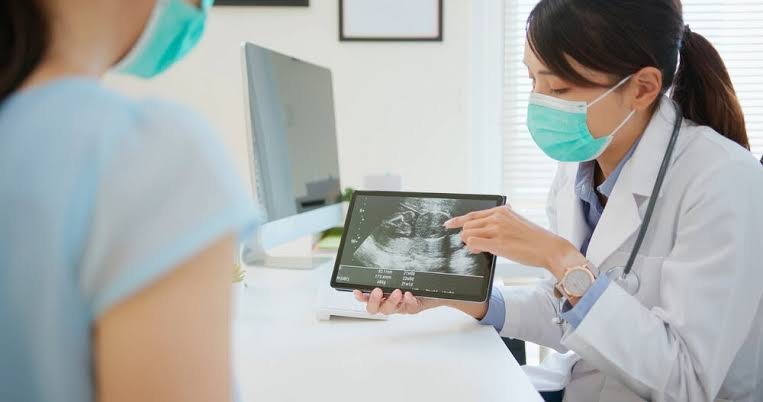
This condition is often discovered during ultrasound monitoring before embryo transfer or during routine fertility evaluations. While some cases are temporary and resolve on their own, others may require medical intervention.
Because implantation is one of the most critical steps in IVF, fertility specialists carefully evaluate the presence of endometrial fluid before proceeding with treatment.
How Does Endometrial Fluid Affect IVF Success?
The success of IVF depends heavily on the embryo’s ability to implant into a healthy uterine lining. When endometrial fluid accumulates in the uterus, it can create several challenges.
1. Interference with Embryo Implantation
The fluid may act as a physical barrier between the embryo and the endometrium, making implantation more difficult.
2. Changes in the Uterine Environment
A healthy uterus contains specific biological factors that support implantation. Excess endometrial fluid can disrupt these conditions and reduce receptivity.
3. Increased Inflammation
In some cases, the presence of fluid is linked to inflammation or infection, which can negatively impact embryo development and implantation.
4. Reduced Pregnancy Rates
Research has shown that persistent endometrial fluid may lower implantation and pregnancy rates if left untreated before embryo transfer.
For this reason, fertility specialists often recommend addressing the issue before proceeding with transfer, even if it slightly extends the treatment timeline or influences the overall IVF cost Faridabad patients may experience.
Read Also: Choosing Health Insurance Plans: A Complete Guide for Indian Families
What Causes Endometrial Fluid?
Understanding the cause of endometrial fluid is essential because treatment depends on the underlying condition.
Some common causes include:
Hydrosalpinx
Hydrosalpinx occurs when a fallopian tube becomes blocked and fills with fluid. This fluid can leak into the uterus and affect implantation.
Uterine Infections
Chronic infections within the reproductive tract may lead to fluid accumulation inside the uterine cavity.
Hormonal Changes
Hormonal fluctuations during fertility treatment may occasionally contribute to the formation of endometrial fluid.
Endometrial Inflammation
Inflammation of the uterine lining can trigger abnormal fluid production and create an unfavorable environment for embryo implantation.
Cervical or Uterine Abnormalities
Structural issues within the uterus may also lead to fluid buildup and require further evaluation.
How Is Endometrial Fluid Diagnosed?
Most women with endometrial fluid do not experience noticeable symptoms. The condition is usually detected through fertility monitoring.
Diagnostic methods may include:
- Transvaginal ultrasound
- Hysteroscopy
- Sonohysterography
- Pelvic examination
- Fertility hormone testing
Regular monitoring helps fertility specialists identify problems early and determine whether treatment is needed before embryo transfer.
When evaluating IVF cost Faridabad, patients should remember that diagnostic procedures are often a necessary part of personalized fertility care.
Treatment Options for Endometrial Fluid
The good news is that many cases of endometrial fluid can be successfully treated.
Medication-Based Treatment
If the fluid is caused by infection or inflammation, fertility specialists may prescribe:
- Antibiotics
- Anti-inflammatory medications
- Hormonal therapies
These treatments can help restore a healthier uterine environment before embryo transfer.
Managing Hydrosalpinx
When hydrosalpinx is responsible for endometrial fluid, surgical treatment may be recommended. Correcting the issue can significantly improve IVF success rates.
Hysteroscopic Treatment
If uterine abnormalities are present, hysteroscopy may be used to diagnose and treat the underlying problem.
Delaying Embryo Transfer
In some situations, fertility specialists may postpone embryo transfer until the fluid resolves. This approach often improves implantation rates and reduces the risk of unsuccessful cycles.
Frozen Embryo Transfer as an Alternative
When persistent endometrial fluid is detected, many fertility specialists recommend freezing embryos and performing a frozen embryo transfer (FET) later.
Benefits of this approach include:
- Better uterine preparation
- Improved implantation potential
- Higher success rates in selected cases
- More time to address underlying causes
Although additional procedures may influence IVF cost Faridabad, many patients benefit from the increased likelihood of a successful pregnancy.
Understanding IVF Cost Faridabad in Cases of Endometrial Fluid
Many couples researching IVF cost Faridabad focus only on the initial treatment package. However, every fertility journey is unique, and additional medical conditions may affect overall expenses.
Potential factors that may influence treatment costs include:
Additional Monitoring
More frequent ultrasounds may be required to track the resolution of endometrial fluid.
Diagnostic Procedures
Tests such as hysteroscopy or sonohysterography may be recommended to identify the underlying cause.
Medication Costs
Antibiotics, hormone medications, or other therapies may be needed before embryo transfer.
Surgical Intervention
Conditions such as hydrosalpinx may require surgical correction to improve implantation outcomes.
Frozen Embryo Transfer
If embryo transfer is postponed, a future frozen embryo transfer cycle may be necessary.
While these factors can affect IVF cost Faridabad, addressing endometrial fluid before transfer often improves the chances of success and may help avoid the emotional and financial burden of repeated failed cycles.
Why Early Diagnosis Matters
Early detection of endometrial fluid can make a significant difference in IVF outcomes.
Benefits of early diagnosis include:
- Faster treatment planning
- Better embryo transfer timing
- Reduced risk of implantation failure
- Improved pregnancy rates
- Better financial planning regarding IVF cost Faridabad
The sooner the issue is identified, the sooner fertility specialists can develop a personalized treatment strategy.
Conclusion
Endometrial fluid is an important factor that should not be overlooked during fertility treatment. Although it can affect embryo implantation and IVF success rates, modern diagnostic tools and treatment options make it possible to manage the condition effectively.
For couples evaluating IVF cost Faridabad, understanding the impact of endometrial fluid can help set realistic expectations about treatment timelines and potential additional procedures. Addressing the condition before embryo transfer often leads to better implantation rates, higher pregnancy success, and a more efficient fertility journey.
With proper evaluation, individualized care, and timely treatment, many patients with endometrial fluid go on to achieve successful IVF outcomes.
Frequently Asked Questions (FAQs)
1. What is endometrial fluid?
Endometrial fluid is the accumulation of fluid inside the uterine cavity, which may interfere with embryo implantation during IVF treatment.
2. Can endometrial fluid reduce IVF success rates?
Yes. Persistent endometrial fluid can negatively affect implantation and may lower pregnancy rates if not treated before embryo transfer.
3. What causes endometrial fluid during IVF?
Common causes include hydrosalpinx, uterine infections, inflammation, hormonal changes, and structural abnormalities within the uterus.
4. How is endometrial fluid diagnosed?
It is typically diagnosed through transvaginal ultrasound and may be further evaluated using hysteroscopy or other fertility assessments.
5. Can endometrial fluid be treated?
Yes. Treatment options include medications, management of infections, surgical correction of hydrosalpinx, hysteroscopy, and delaying embryo transfer when necessary.
6. Does endometrial fluid increase IVF cost Faridabad patients may face?
In some cases, yes. Additional monitoring, diagnostic tests, medications, or procedures may influence the overall IVF cost Faridabad patients experience.
7. Is frozen embryo transfer recommended when endometrial fluid is present?
Many fertility specialists recommend frozen embryo transfer if persistent endometrial fluid is detected, allowing time to optimize the uterine environment.
8. Can IVF still be successful after treating endometrial fluid?
Absolutely. Once the underlying cause is addressed and the uterine cavity is optimized, many patients achieve successful implantation and healthy pregnancies through IVF.