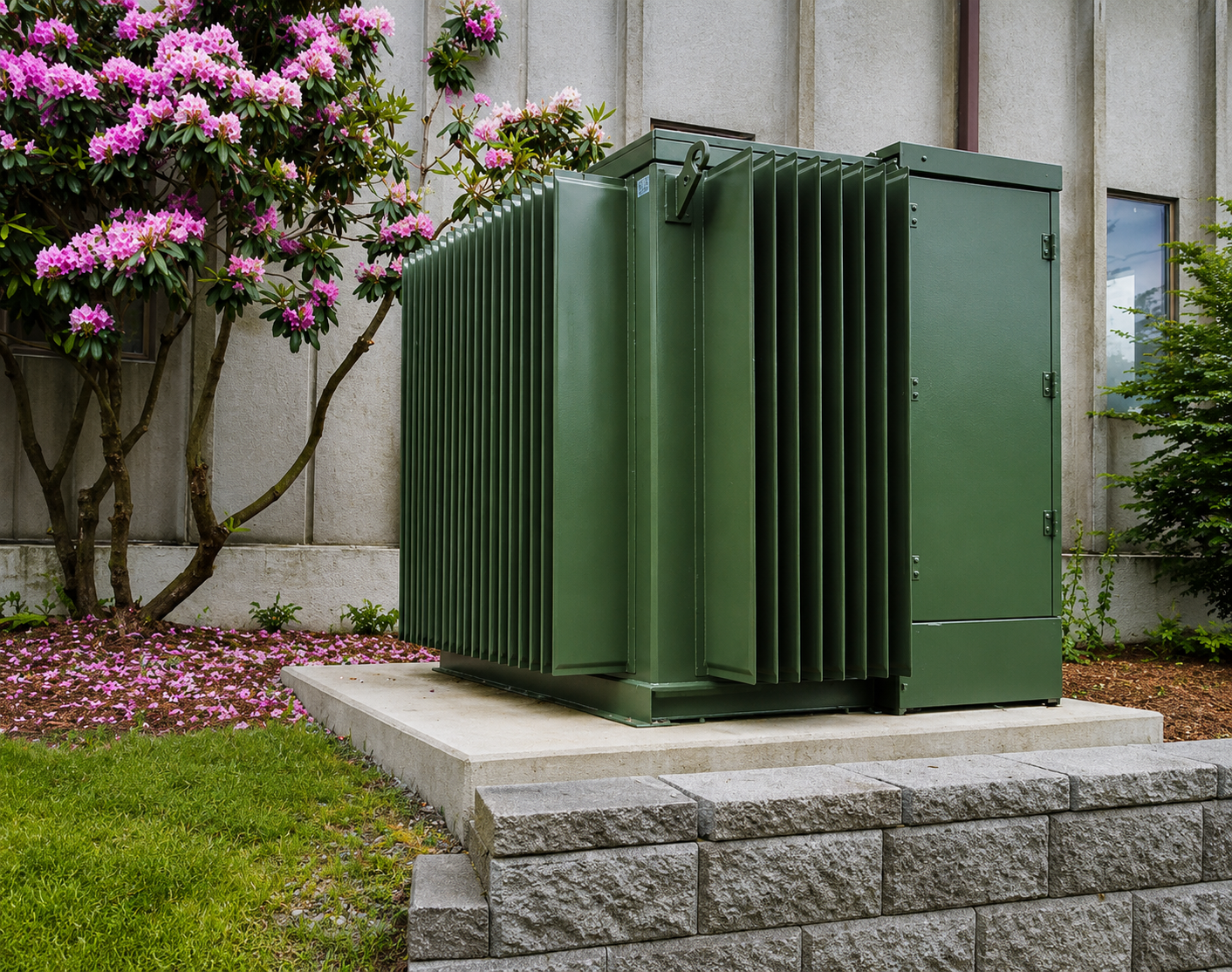
Why a 3 Phase Pad Mount Transformer Is Essential for Modern Power Distribution

Reliable electrical distribution is the backbone of every industrial facility, commercial property, residential development, and public infrastructure project. As energy demands continue to increase, utilities and businesses require equipment that delivers consistent performance, improved safety, and efficient power management. One of the most trusted solutions for underground electrical distribution is the 3 phase pad mount transformer.
Designed for outdoor installation and enclosed within a secure, tamper-resistant cabinet, this transformer provides dependable voltage conversion while maintaining a clean appearance in commercial and residential environments. Its compact design, low maintenance requirements, and durability make it an ideal choice for modern electrical networks.
This article explores how pad-mounted transformers work, where they are commonly used, their advantages, and the factors to consider when selecting the right transformer for your application.
Understanding Pad-Mounted Transformers
A pad-mounted transformer is a ground-level electrical transformer installed on a concrete pad. Unlike pole-mounted transformers, it is designed for underground distribution systems where overhead power lines are either impractical or undesirable.
These transformers feature enclosed compartments that protect internal components from weather conditions, accidental contact, and unauthorized access. Their robust construction ensures safe operation in demanding environments while supporting reliable power delivery.
Industries, municipalities, commercial developments, and utility companies often choose these transformers because they combine safety, efficiency, and ease of maintenance.
What Makes a Three-Phase System Different?
Three-phase electrical systems are widely used because they deliver power more efficiently than single-phase systems. They provide continuous power flow, allowing heavy-duty equipment to operate with greater stability and reduced energy losses.
A three phase pad mounted transformer is specifically engineered to support these systems by converting incoming voltage into the appropriate output voltage for industrial and commercial applications.
Three-phase power is commonly found in:
- Manufacturing plants
- Warehouses
- Hospitals
- Shopping centers
- Data centers
- Educational institutions
- Large residential developments
- Water treatment facilities
The balanced power supplied through three-phase systems improves equipment performance while reducing operational interruptions.
Key Benefits of Using Pad-Mounted Transformers
Enhanced Safety
One of the biggest advantages of pad-mounted transformers is their enclosed design. High-voltage components remain securely locked inside weather-resistant cabinets, reducing exposure to electrical hazards.
This makes them especially suitable for locations where pedestrians, employees, or residents may be nearby.
Space-Efficient Installation
Because the transformer sits directly on a concrete foundation, installation is straightforward and requires less vertical clearance than pole-mounted alternatives.
Its compact footprint helps maximize available space while maintaining easy access for maintenance personnel.
Reliable Performance
Modern transformers are built with durable insulation systems and high-quality cores that provide stable voltage regulation over long operating periods.
Their construction minimizes downtime and supports uninterrupted electrical service.
Lower Maintenance Requirements
Protective enclosures shield critical components from dust, moisture, debris, and environmental damage.
Routine inspections remain important, but maintenance needs are generally lower than many exposed electrical installations.
Common Applications Across Industries
Pad-mounted transformers support a wide range of industries where dependable electrical distribution is essential.
Commercial Buildings
Office complexes, retail centers, hotels, and business parks depend on stable electrical infrastructure to power lighting, HVAC systems, elevators, and essential equipment.
Industrial Facilities
Factories require continuous electricity for machinery, production lines, automation systems, and quality control equipment.
Reliable transformer performance helps reduce costly production interruptions.
Residential Communities
Many modern housing developments use underground electrical distribution for improved aesthetics and increased public safety.
Pad-mounted transformers blend naturally into landscaped environments while delivering dependable electricity.
Renewable Energy Projects
Solar and wind energy installations require transformers to manage voltage before electricity enters the utility grid.
These transformers play an important role in efficient renewable energy integration.
Important Components That Improve Performance
Several design features contribute to the long-term reliability of pad-mounted transformers.
Heavy-Duty Enclosure
Steel cabinets with corrosion-resistant coatings provide excellent protection against harsh weather conditions and physical damage.
Cooling System
Effective cooling prevents overheating and maintains consistent operating temperatures.
Depending on the design, cooling may rely on transformer oil or environmentally friendly insulating fluids.
High-Quality Core
Modern core materials reduce energy losses during voltage conversion, improving overall efficiency.
Protective Devices
Built-in safety components help protect both the transformer and connected electrical systems from overloads, short circuits, and other electrical faults.
Choosing the Right Transformer
Selecting the correct transformer requires evaluating both current and future electrical demands.
Important considerations include:
- Required voltage ratings
- Power capacity
- Installation environment
- Utility specifications
- Cooling method
- Efficiency standards
- Maintenance accessibility
- Future expansion plans
Working with experienced electrical engineers helps ensure the transformer matches the specific requirements of the project.
Installation Best Practices
Proper installation significantly influences long-term performance.
Before installation, contractors should ensure:
- The concrete pad is level and structurally sound.
- Underground cables are properly routed.
- Adequate clearance is maintained around the transformer.
- Drainage prevents standing water.
- Ventilation remains unobstructed.
- Utility safety guidelines are followed.
Professional installation reduces operational risks while extending equipment life.
Maintenance Tips for Long Service Life
Although pad-mounted transformers require relatively little maintenance, regular inspections remain essential.
Routine maintenance may include:
- Visual inspection of the enclosure
- Checking for corrosion or physical damage
- Inspecting seals and locking mechanisms
- Monitoring oil condition when applicable
- Verifying electrical connections
- Cleaning debris from ventilation areas
- Performing insulation resistance testing
- Recording operating temperatures
Preventive maintenance helps identify potential issues before they develop into costly failures.
Supporting Efficient Power Distribution
Every electrical distribution network relies on dependable voltage regulation. A well-designed three phase distribution transformer ensures electricity reaches equipment safely while maintaining consistent performance across varying load conditions.
Efficient voltage conversion reduces transmission losses, improves equipment reliability, and supports long-term operational efficiency throughout the distribution system.
Future Trends in Transformer Technology
Electrical infrastructure continues to evolve alongside growing energy demands.
Future transformer innovations include:
- Improved energy-efficient core materials
- Eco-friendly insulating fluids
- Smart monitoring systems
- Remote condition monitoring
- Predictive maintenance technologies
- Digital diagnostics
- Enhanced environmental protection
- Improved load management capabilities
These advancements help utilities improve reliability while reducing maintenance costs and extending equipment lifespan.
Why Quality Manufacturing Matters
Not all transformers deliver the same level of performance. Manufacturing quality directly affects operational reliability, efficiency, and service life.
High-quality three phase pad mounted transformers are produced using strict engineering standards, precision manufacturing processes, and comprehensive testing procedures.
Investing in dependable equipment helps reduce maintenance costs, improve system reliability, and support uninterrupted electrical service for years to come.
Conclusion
Modern electrical systems demand equipment that combines efficiency, durability, and safety. The 3 phase pad mount transformer continues to be one of the most reliable solutions for underground power distribution because of its secure design, dependable operation, and ability to support diverse commercial, industrial, and residential applications.
As electrical infrastructure expands and energy consumption grows, selecting the right transformer becomes increasingly important for maintaining reliable service and minimizing downtime. By choosing quality equipment, following proper installation practices, and performing regular maintenance, organizations can maximize system performance while supporting long-term operational success.