Class A vs Class B CDL: Which One Is Right for Your Career Goals

One of the first decisions anyone exploring a career in commercial driving has to make is which CDL class to pursue. Class A and Class B licenses open the door to different types of vehicles and, by extension, different career paths. Understanding the distinction before you start training will save you time and help ensure you are pursuing the credential that actually matches where you want to end up.
What Is a Class A CDL?
A Class A Commercial Driver’s License authorizes you to operate combination vehicles, meaning a truck connected to one or more trailers, where the combined gross vehicle weight rating exceeds 26,001 pounds and the trailer itself has a gross vehicle weight rating over 10,000 pounds. This is the license most commonly associated with tractor-trailers, the large semi trucks seen hauling freight on highways across the country.
Class A is the broadest CDL classification. A Class A license holder can generally operate any vehicle that a Class B or Class C CDL holder can operate, in addition to the combination vehicles unique to Class A. This makes it the most versatile credential for someone planning a long-term career in trucking.
see also: Choosing Health Insurance Plans: A Complete Guide for Indian Families
What Is a Class B CDL?
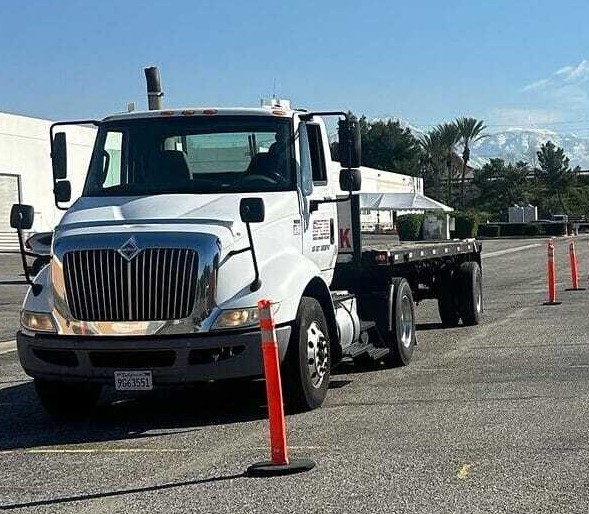
A Class B Commercial Driver’s License covers single vehicles with a gross vehicle weight rating over 26,001 pounds that are not part of a combination exceeding the Class A thresholds. This includes straight trucks, large box trucks, dump trucks, garbage trucks, and large buses, including some city transit buses.
Class B does not authorize operation of combination vehicles in the way Class A does. A Class B holder generally cannot legally pull a large trailer that would require Class A certification, though there are some towing allowances for smaller trailers depending on weight thresholds.
Comparing Career Paths
The career path you are aiming for should be the primary factor in deciding which license to pursue.
If your goal is long-haul trucking, regional freight delivery, or driving a tractor-trailer for a trucking company, a Class A CDL is almost certainly the right choice. The vast majority of trucking jobs advertised for over-the-road or regional freight positions require a Class A license specifically because they involve combination vehicles.
If your career goal involves driving a straight truck for local delivery, operating a dump truck or garbage truck, or driving certain large buses, a Class B CDL may be sufficient and could mean a shorter and less expensive training process than pursuing the broader Class A credential.
Some students choose to start with their career goal already narrowed down to a Class B role, such as driving for a local delivery company or a municipal services position, while others pursue Class A from the outset because they want to keep their career options as open as possible, including the possibility of long-haul or regional freight work later.
Training and Testing Differences
Both Class A and Class B training involve passing written knowledge tests, completing Entry-Level Driver Training from an approved provider, passing a DOT medical examination, and passing a three-part skills test covering pre-trip inspection, basic vehicle control maneuvers, and on-road driving.
The key training difference is that Class A preparation includes learning to operate a combination vehicle, which involves additional skills around coupling and uncoupling trailers, backing a longer combination vehicle, and managing the added complexity of articulation between the truck and trailer during turns and maneuvers. This generally makes Class A training somewhat more involved than Class B training, which focuses on a single straight vehicle.
Can You Upgrade Later?
If you start with a Class B CDL and later decide you want to pursue Class A, you generally need to complete additional training and testing specific to combination vehicles rather than simply adding an endorsement. This involves learning the skills unique to towing and maneuvering a combination vehicle and passing the relevant components of the skills test for that classification.
Because of this, many students who are even somewhat uncertain about their long-term career direction choose to pursue Class A initially, since it provides the broader credential and avoids the need for additional training later if their goals shift toward long-haul or combination vehicle work.
Which One Should You Choose?
If you are unsure which path is right for you, thinking through a few questions can help clarify the decision. Are you interested in driving long distances and potentially being away from home for extended periods, which is common in many Class A trucking roles? Or are you more interested in local routes and being home every night, which is more common in many Class B positions? Do you have a specific employer or industry in mind, and if so, what license class do their job postings typically require?
Speaking with a CDL training program about your specific goals can also help. An experienced school can walk you through the realistic job market for each license class in your area and help you choose the path that fits your situation.
Frequently Asked Questions
Can a Class A CDL holder drive everything a Class B holder can drive?
Generally, yes. A Class A CDL is the broader classification and typically authorizes operation of the vehicles covered under Class B, in addition to combination vehicles.
Is Class A or Class B CDL training more expensive?
Class A training is often somewhat more involved due to the additional skills required for combination vehicles, which can sometimes translate to a longer training timeline. Cost varies by school and program structure, so it is worth comparing directly with the schools you are considering.
Which CDL class is in higher demand for jobs?
Class A is generally associated with a larger volume of job postings, particularly in long-haul and regional freight trucking, since this represents a significant share of the commercial driving industry. Class B roles are more concentrated in local delivery, municipal services, and certain bus driving positions.
If I get a Class B CDL, can I upgrade to Class A later?
Yes, but it typically requires completing additional training and skills testing specific to combination vehicles rather than simply adding it to your existing license.
Do I need different endorsements depending on which class I choose?
Endorsements such as hazmat, tanker, or passenger are separate from the base license class and can be added to either a Class A or Class B CDL depending on what your specific job requires.
If you are trying to decide between a Class A and Class B CDL and want guidance based on your specific career goals, SPCDL Truck Driving School in San Bernardino, California, offers both Class A and Class B training with dedicated one-on-one instruction. The team can help you think through which path fits where you want your career to go.